Preface. The Tragedy of a Frictionless World: What Have We Taken from Our Children?
1. The Paradox of Abundance:
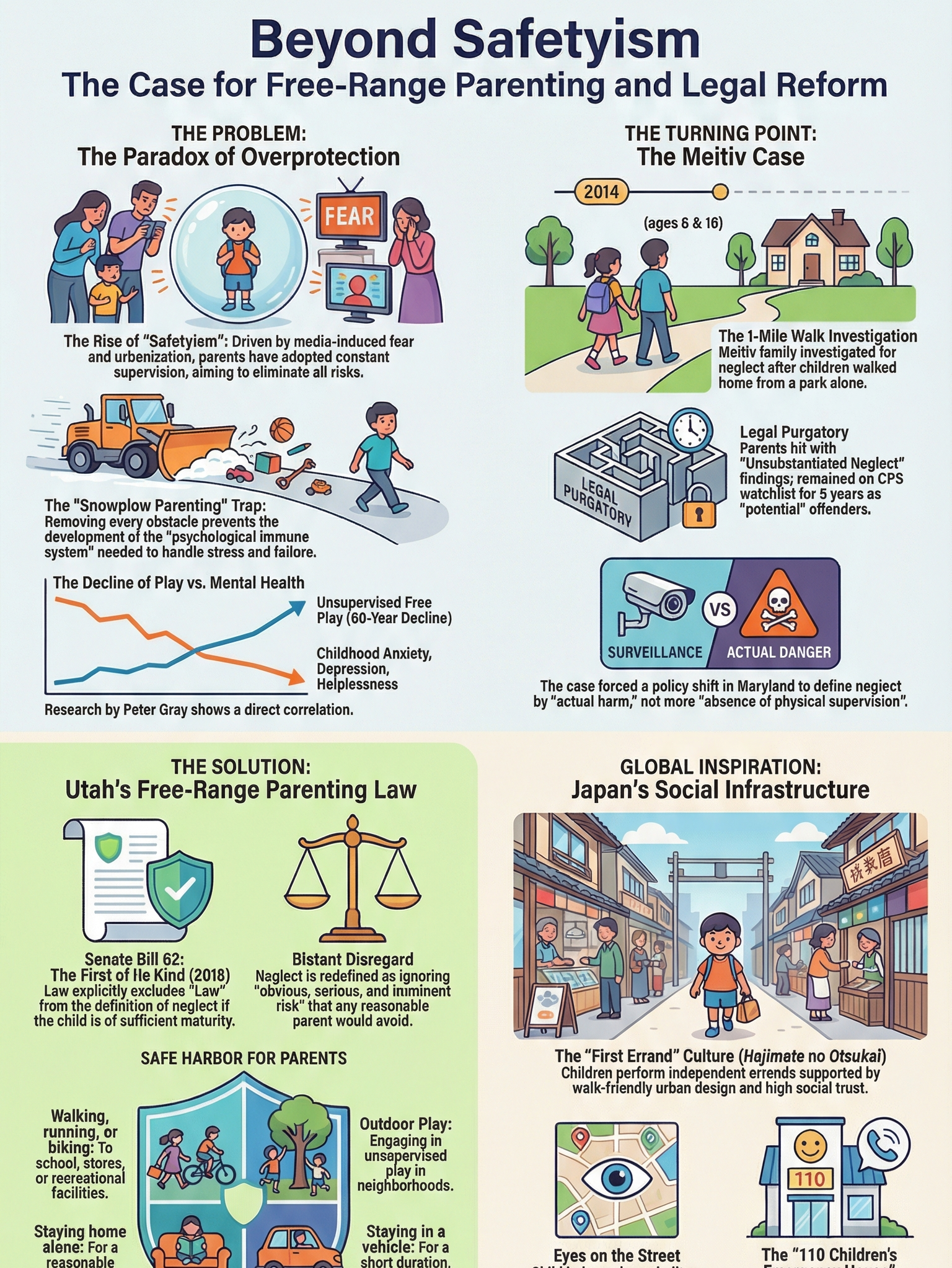
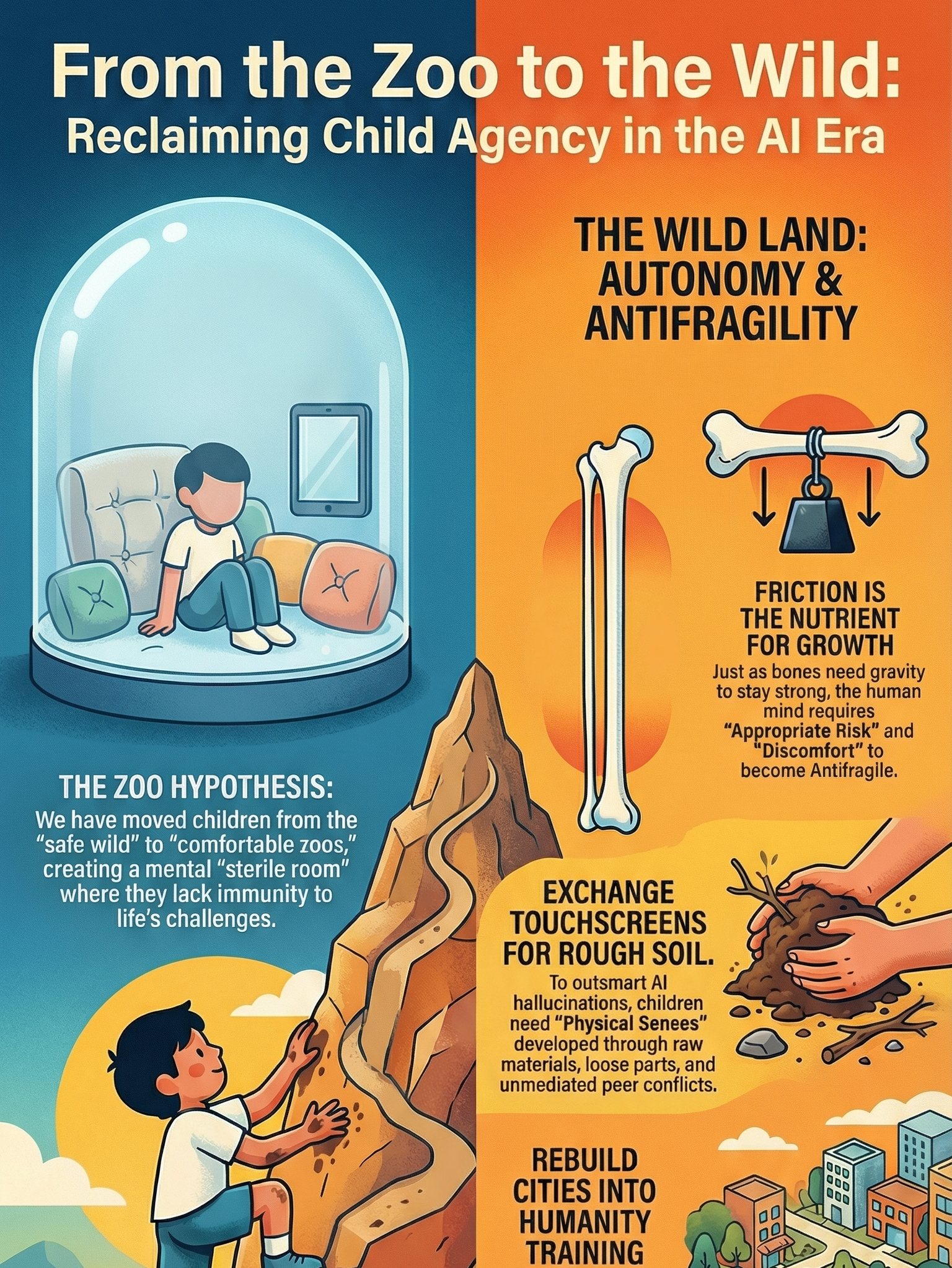
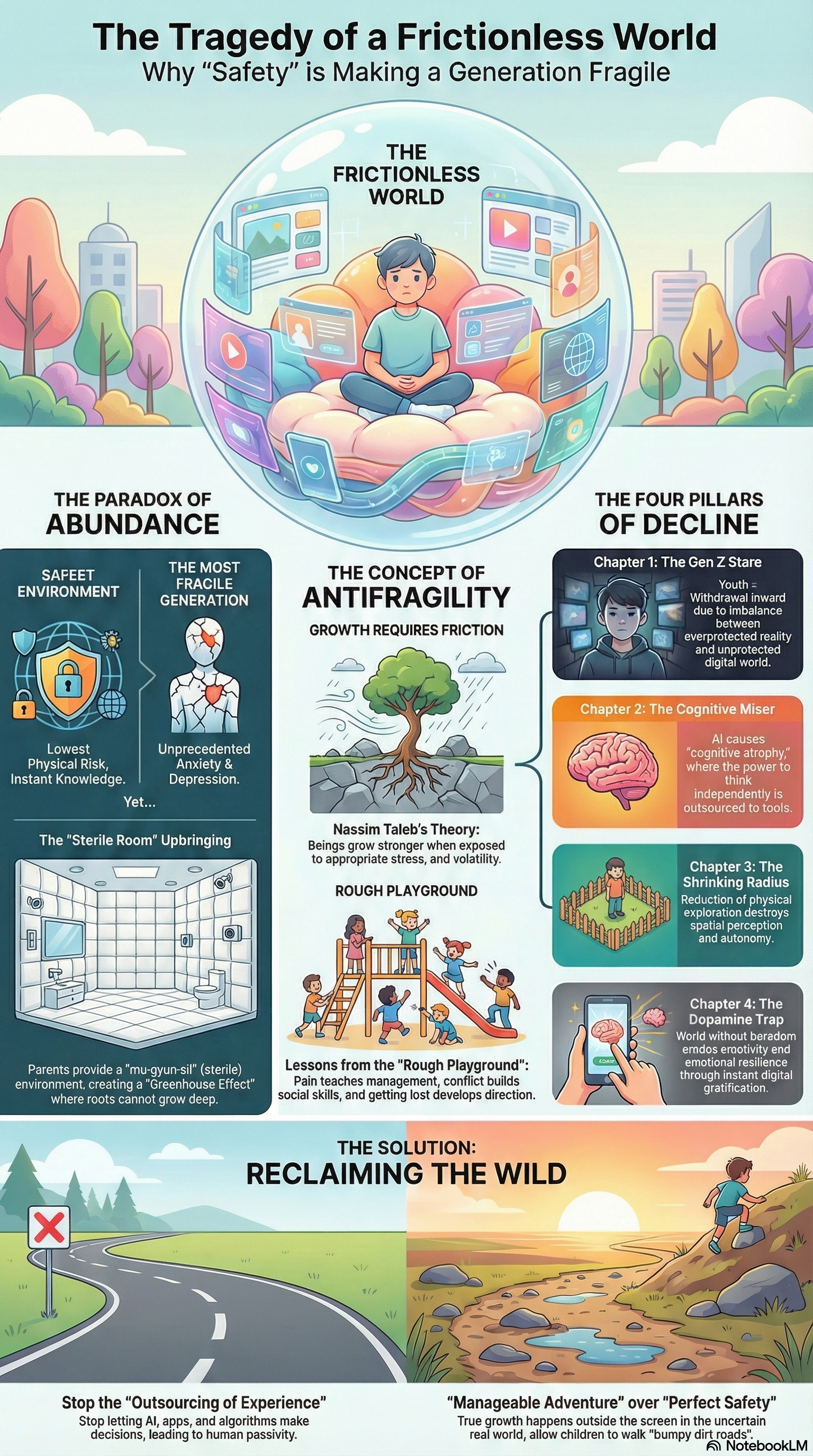
The Safest Yet Most Fragile Generation Never in human history have children grown up in an environment as safe and affluent as the present. The fear of famine and plague has vanished, and the world's knowledge and entertainment pour into the palm of a hand with a single click. Parents monitor their children's every move, providing a parenting environment akin to a "sterile room" that does not permit even the slightest danger.
The Safest Yet Most Fragile Generation Never in human history have children grown up in an environment as safe and affluent as the present. The fear of famine and plague has vanished, and the world's knowledge and entertainment pour into the palm of a hand with a single click. Parents monitor their children's every move, providing a parenting environment akin to a "sterile room" that does not permit even the slightest danger.
However, statistics point to the exact opposite reality. We believed we were raising the safest generation in history, yet, as a result, we are facing the most anxious, depressed, and internally fragile generation in history.
2. The Loss of Antifragility:
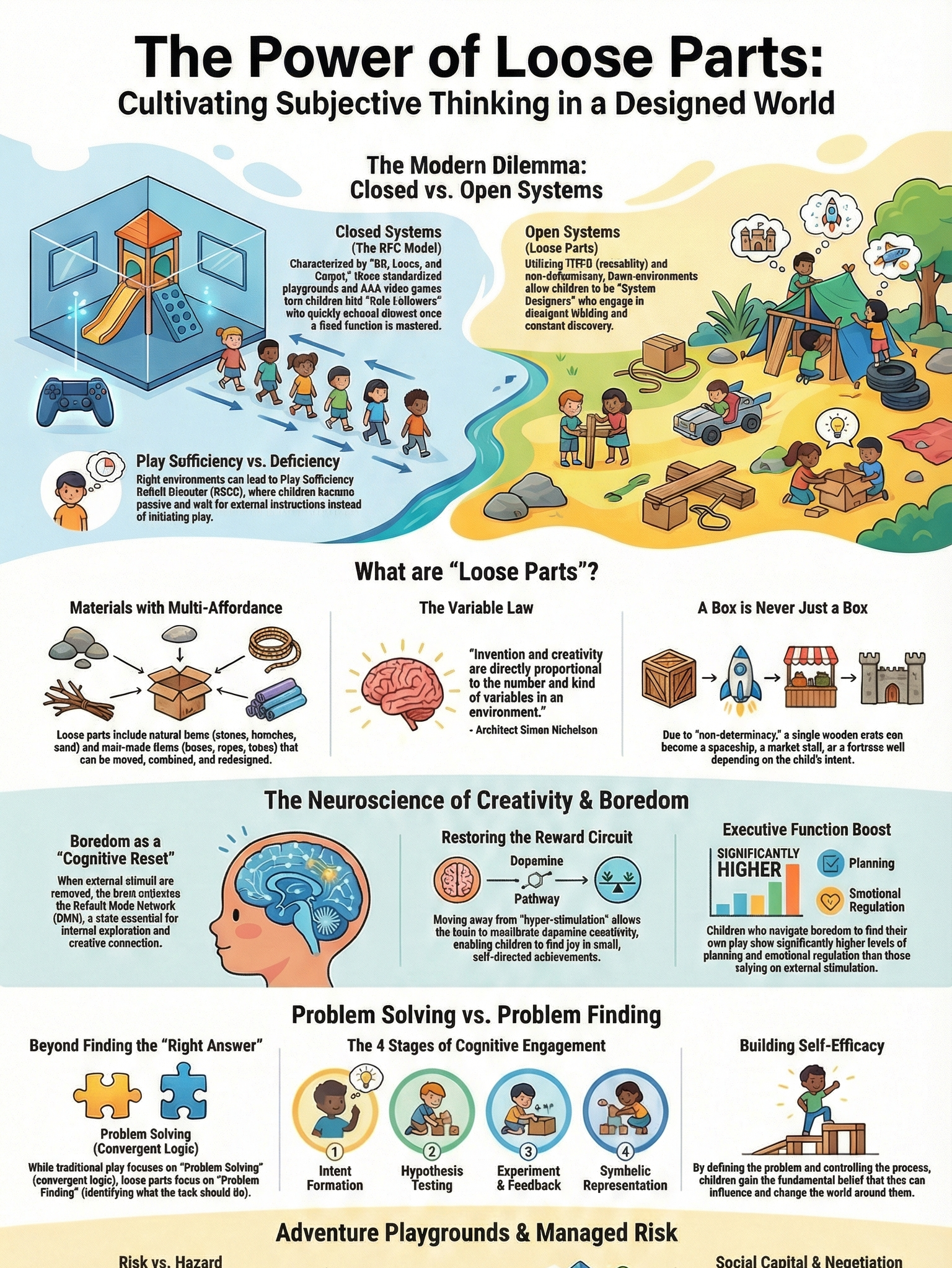
Roots in a Greenhouse Are Not Deep Where did it go wrong? This book seeks the answer in the "Paradox of Deprivation." It posits that the very things we have removed from children—danger, boredom, discomfort, and solitude—were, in fact, essential nutrients that make humans human.
Roots in a Greenhouse Are Not Deep Where did it go wrong? This book seeks the answer in the "Paradox of Deprivation." It posits that the very things we have removed from children—danger, boredom, discomfort, and solitude—were, in fact, essential nutrients that make humans human.
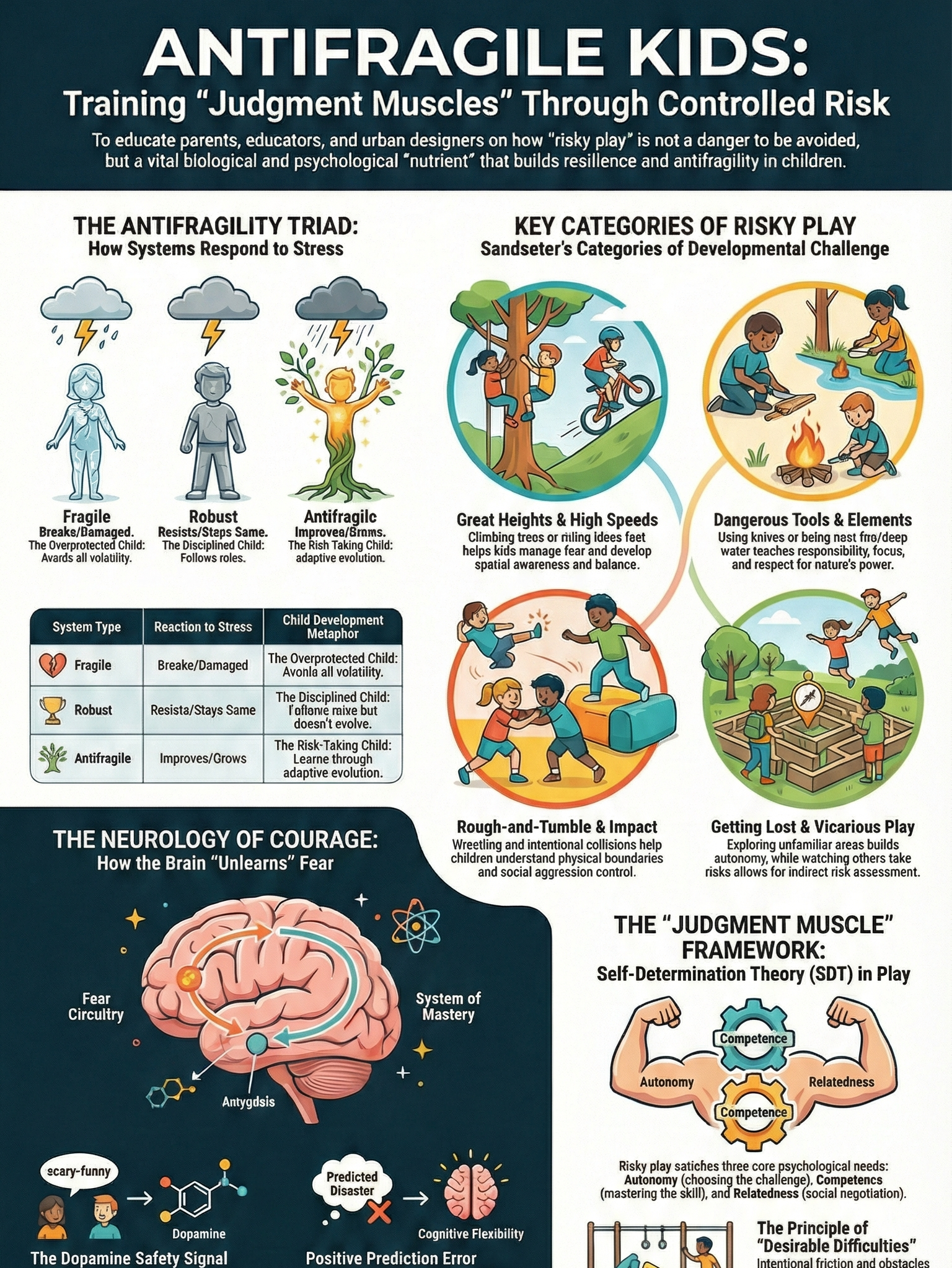
Nassim Taleb stated, "Trees that grow where the wind does not blow do not grow deep roots." Living organisms possess an "Antifragile" quality, becoming stronger when subjected to appropriate stress and shock. The brains and minds of children are the same. They must scrape their knees to learn how to handle pain, fight with friends to learn the skills of relationships, and get lost to learn how to find their own way.
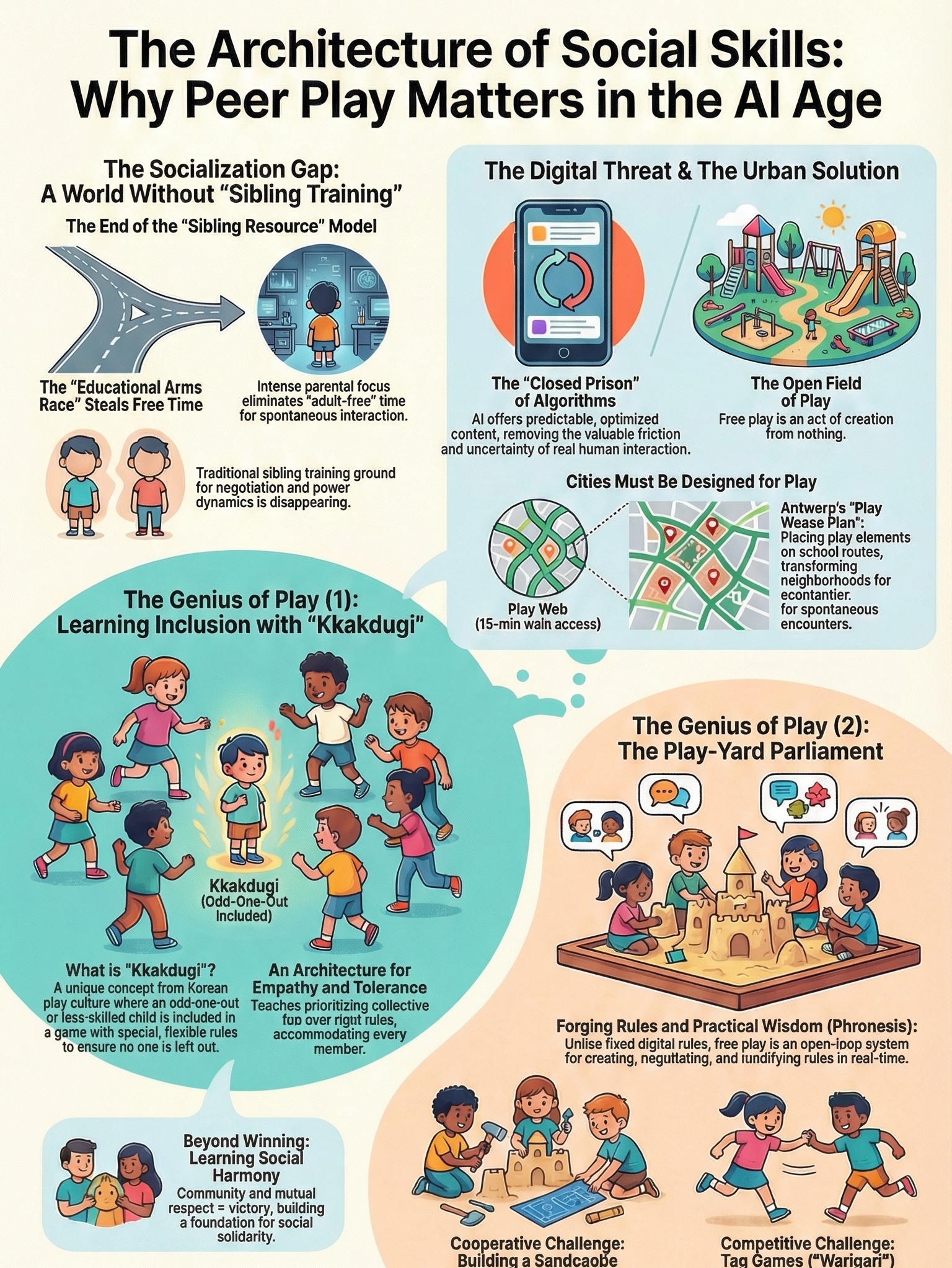
But modern society, in the name of efficiency and safety, has eliminated all these opportunities for growth (friction). The rough playgrounds of reality have disappeared, replaced by smooth digital devices and Artificial Intelligence (AI). We are forcing upon children only "set answers" instead of the "freedom to fail." Consequently, children have become defensive beings who crumble easily even before the small hurdles of reality.
3. The Two Faces of Technology:
Beyond a Tool, Swallowing the Master The crisis we face is not simply a matter of "using smartphones too much." It is a "Crisis of Human Agency."
Beyond a Tool, Swallowing the Master The crisis we face is not simply a matter of "using smartphones too much." It is a "Crisis of Human Agency."
• Chapter 1 addresses how the imbalance between an overprotected reality and a defenselessly exposed digital world causes children to withdraw inwardly (The Gen Z Stare).
• Chapter 2 warns of the "Cognitive Miser" phenomenon, where AI, a powerful tool, degenerates the power of thinking rather than extending human cognitive capabilities.
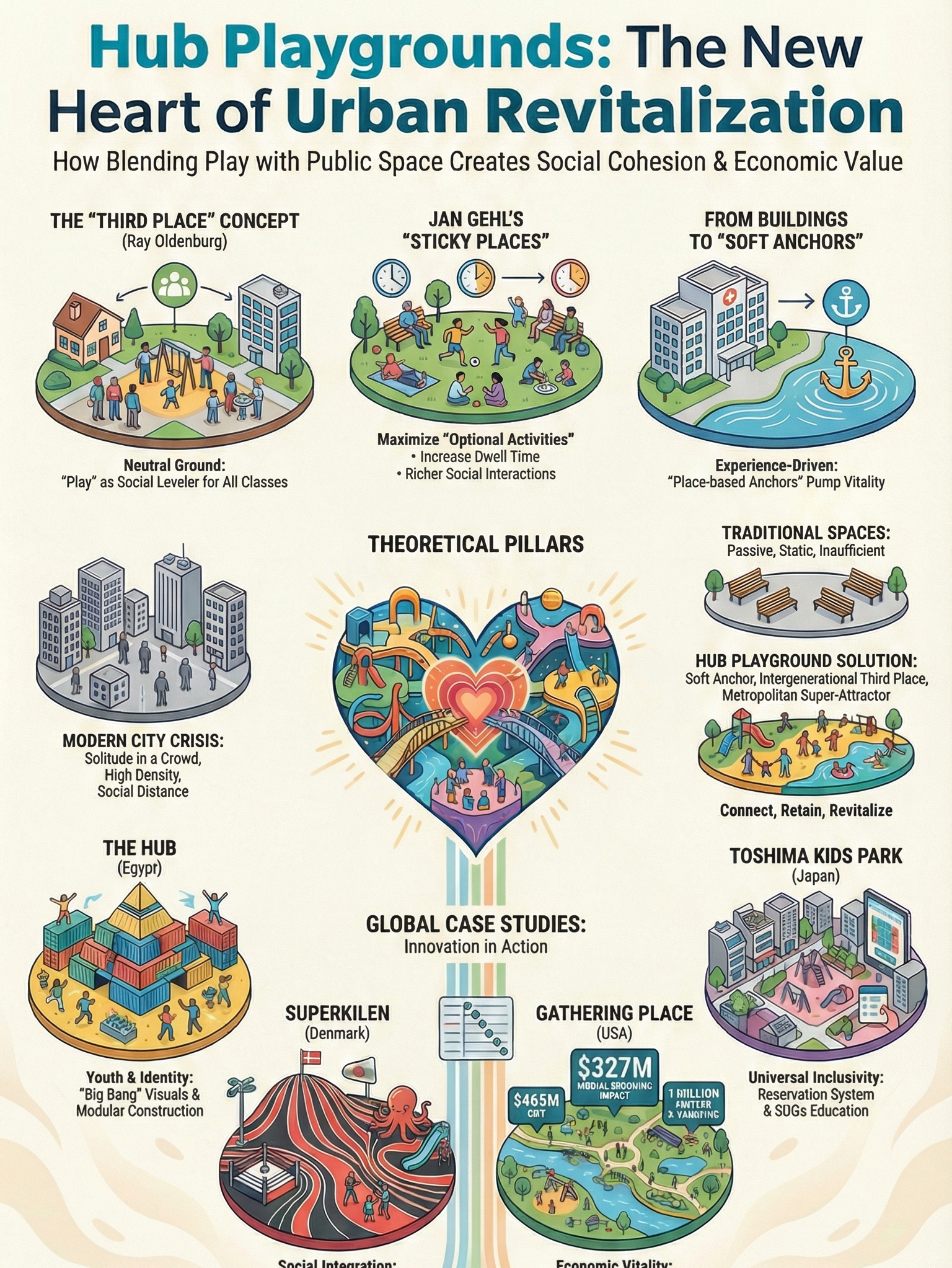
• Chapter 3 tracks how the reduction of children's radius of activity has destroyed the brain's spatial cognition and autonomy.
• Chapter 4 discusses the loss of creativity and resilience in an era where boredom has vanished and brains are soaked in dopamine.
4. Back to the Wild:
The Courage to Allow Friction This book is not a Luddite manifesto simply rejecting digital civilization. It is an appeal to stop the lethal cost hidden within the convenience of technology: the "Outsourcing of Experience."
The Courage to Allow Friction This book is not a Luddite manifesto simply rejecting digital civilization. It is an appeal to stop the lethal cost hidden within the convenience of technology: the "Outsourcing of Experience."
In a world where AI thinks for us, navigation finds the way, and algorithms choose our tastes, humans gradually degenerate into passive objects. True growth happens outside the screen, when one directly collides with the uncertain and uncomfortable real world.
Now, we must return to our children not "perfect safety," but "manageable adventure." We must allow them to step off the smooth paved roads and walk on rugged dirt paths. It is my hope that this book serves as a new milestone for readers to rediscover the "value of discomfort" stolen by convenience, and to raise our children into more solid and subjective human beings.
서문. 마찰 없는 세계의 비극: 우리는 아이들에게 무엇을 빼앗았는가
1. 풍요의 역설: 가장 안전하지만 가장 부서지기 쉬운 세대
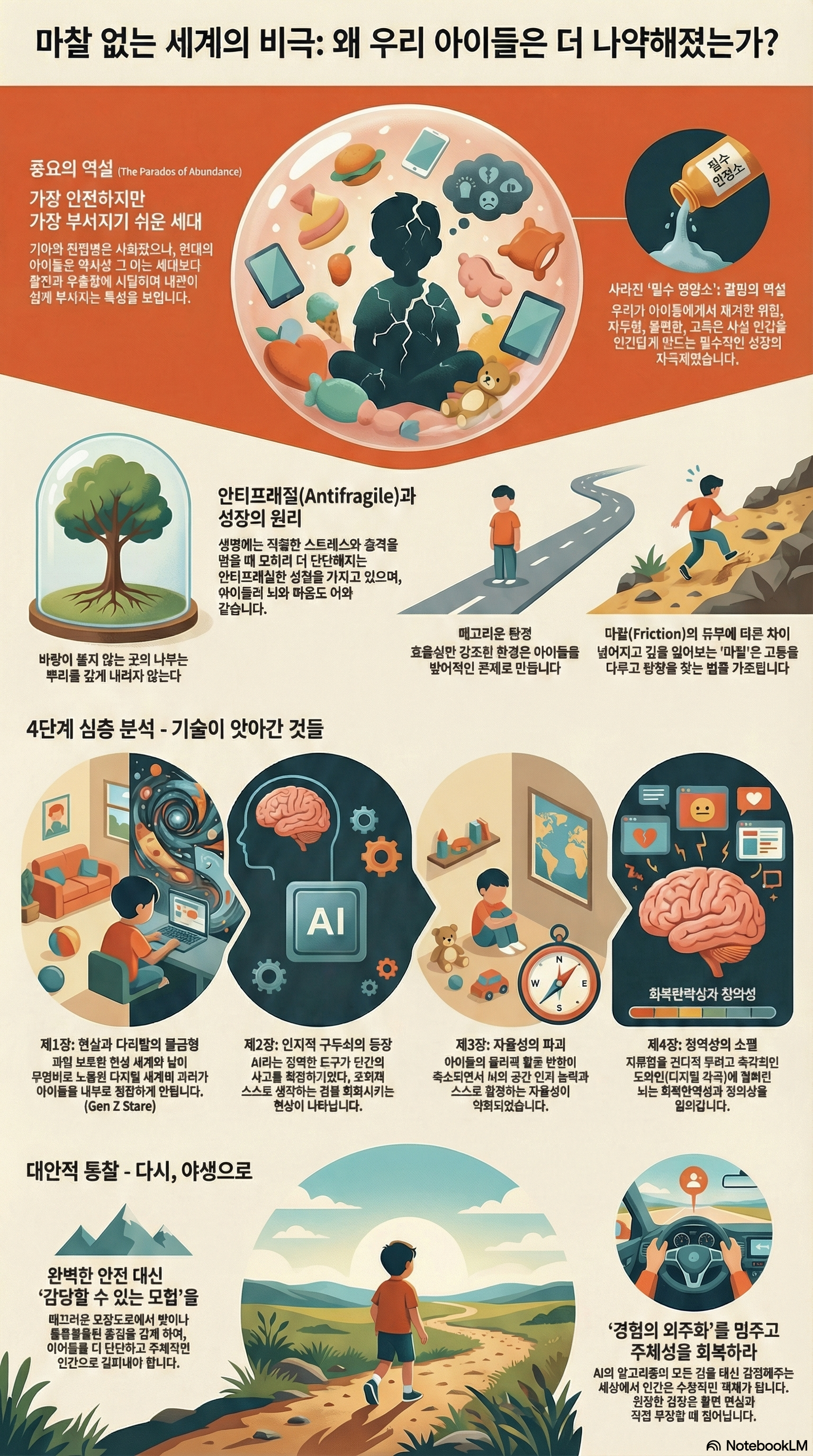
인류 역사상 지금처럼 아이들이 안전하고 풍요로운 환경에서 자라난 적은 없었다. 기아와 전염병의 공포는 사라졌고, 클릭 한 번이면 전 세계의 지식과 오락이 손바닥 위로 쏟아진다. 부모들은 아이의 일거수일투족을 감시하며 아주 작은 위험조차 허용하지 않는 '무균실' 같은 양육 환경을 제공한다.
그러나 통계는 정반대의 현실을 가리킨다. 우리는 역사상 가장 안전한 세대를 길러냈다고 믿었으나, 결과적으로 역사상 가장 불안하고 우울하며, 내면이 부서지기 쉬운 세대를 마주하고 있다.
도대체 어디서부터 잘못된 것일까? 이 책은 그 답을 **'결핍의 역설'**에서 찾고자 한다. 우리가 아이들에게서 제거해버린 것들—위험, 지루함, 불편함, 그리고 고독—이 사실은 인간을 인간답게 만드는 필수 영양소였다는 사실 말이다.
2. 안티프래질(Antifragile)의 상실: 온실 속의 뿌리는 깊지 않다
나심 탈레브는 "바람이 불지 않는 곳의 나무는 뿌리를 깊게 내리지 않는다"고 했다. 생명체는 적절한 스트레스와 충격을 받을수록 오히려 더 단단해지는 **'안티프래질(Antifragile)'**한 성질을 가진다. 아이들의 뇌와 마음도 마찬가지다. 넘어져서 무릎이 깨져봐야 고통을 다루는 법을 배우고, 친구와 싸워봐야 관계의 기술을 익히며, 길을 잃어봐야 스스로 방향을 찾는 법을 터득한다.
하지만 현대 사회는 효율성과 안전이라는 이름으로 이 모든 성장의 기회(마찰)를 제거해 버렸다. 현실의 거친 놀이터는 사라졌고, 그 자리를 매끄러운 디지털 기기와 인공지능(AI)이 대체했다. 우리는 아이들에게 '실패할 자유' 대신 '정해진 정답'만을 강요하고 있다. 그 결과, 아이들은 현실의 작은 난관 앞에서도 쉽게 무너지는 방어적인 존재가 되어버렸다.
3. 기술의 두 얼굴: 도구를 넘어 주인을 삼키다
우리가 직면한 위기는 단순히 "스마트폰을 너무 많이 본다"는 차원의 문제가 아니다. 이것은 **'인간 주체성의 위기'**다.
제1장에서는 과잉 보호된 현실과 무방비로 노출된 디지털 세계의 불균형이 어떻게 아이들을 내부로 침잠하게 만드는지(Gen Z Stare)를 다룬다.
제2장에서는 AI라는 강력한 도구가 인간의 사고 능력을 확장하는 것이 아니라, 오히려 생각하는 힘을 퇴화시키는 '인지적 구두쇠' 현상을 경고한다.
제3장에서는 아이들의 활동 반경 축소가 뇌의 공간 인지 능력과 자율성을 어떻게 파괴했는지 추적한다.
제4장에서는 지루함이 사라진 시대, 도파민에 절여진 뇌가 잃어버린 창의성과 회복탄력성에 대해 논한다.
4. 다시, 야생으로: 마찰을 허용할 용기
이 책은 단순히 디지털 문명을 거부하자는 러다이트(Luddite) 선언문이 아니다. 기술의 편리함 속에 숨겨진 치명적인 대가, 즉 **'경험의 외주화'**를 멈추자는 호소다.
AI가 대신 생각해주고, 내비게이션이 길을 찾아주고, 알고리즘이 취향을 골라주는 세상에서 인간은 점차 수동적인 객체로 전락한다. 진정한 성장은 스크린 밖, 불확실하고 불편한 현실 세계와 직접 부딪칠 때 일어난다.
이제 우리는 아이들에게 '완벽한 안전'이 아닌 **'감당할 수 있는 모험'**을 돌려주어야 한다. 매끄러운 포장도로에서 벗어나 울퉁불퉁한 흙길을 걷게 해야 한다. 이 책이 독자들에게 편리함이 앗아간 '불편함의 가치'를 재발견하고, 우리 아이들을 더 단단하고 주체적인 인간으로 길러내는 새로운 이정표가 되기를 바란다.